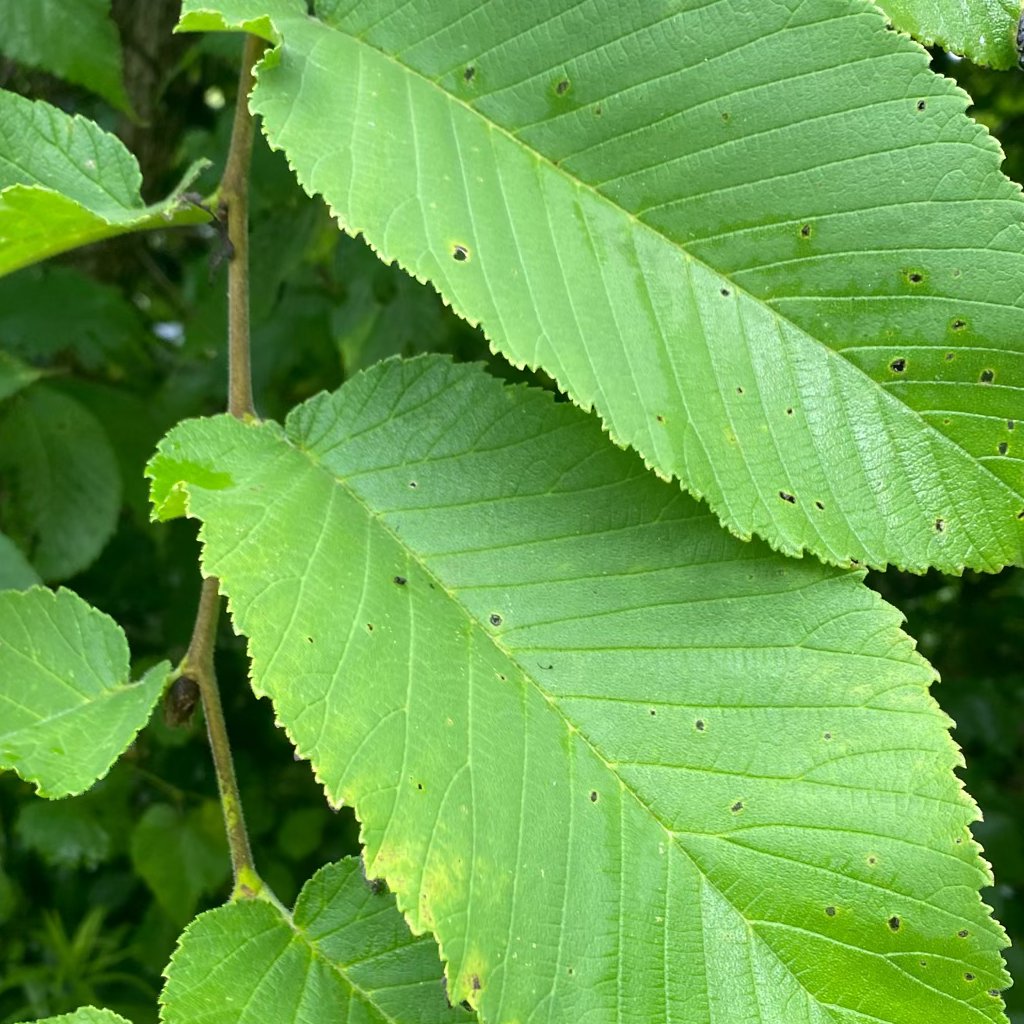
feeding damage by insects
What you’re seeing
Irregular holes, chewed edges, missing chunks, or ragged leaves; sometimes frass (insect droppings), webbing, or slime trails.
What it is
Physical feeding injury by chewing insects (e.g., beetles, caterpillars) or larger arthropods. Unlike sap-feeders, damage is missing tissue rather than stippling or honeydew.
Is action needed?
Usually yes—both to protect new growth and to avoid secondary infections through wounds.
How to confirm
- Timing: Nighttime checks with a flashlight often reveal active feeders.
- Signs: Frass pellets, scalloped edges, or slime trails (snails/slugs).
- Location: Outdoor and balcony plants are more exposed; indoor cases often hitchhike in soil or on new plants.
What to do
- Hand-remove visible pests; drop into soapy water.
- Protect new growth: Cover seedlings at night; use copper tape/barriers against slugs/snails for containers.
- Spot treatment: Apply a contact spray labeled for chewing insects (e.g., insecticidal soap or pyrethrin) per label; test on a small leaf first. Keep pets away until dry.
- For caterpillars on edibles/ornamentals: Consider Bacillus thuringiensis (Bt) products; they’re target-specific when used as directed.
- For chewing pests on ornamentals/edibles: Consider spinosad where labeled; apply at dusk and avoid open blooms to protect pollinators.
- Sanitation: Remove heavily shredded leaves; keep surfaces clean to avoid inviting secondary issues.
- Quarantine new arrivals for 1–2 weeks.
Prevention tips
- Inspect nursery plants top and bottom before bringing indoors.
- Avoid leaving damp pet food or decaying matter near pots (slug magnet).
- Keep outdoor lighting modest; bright lights can attract night-feeding insects.
Related look-alikes to rule out
- Sap-sucking injury (pin-prick stippling, sticky residue) is different.
- Leaf miners leave winding tunnels rather than holes.
Images